When we arrive on site in Henderson, the first thing we do is set up the drill rig and check the local conditions. The alluvial soils here often contain layers of gravel and sand, so we adjust our sampling approach accordingly. A proper soil mechanics study in Henderson Nevada starts with understanding the depth to groundwater and the density of those granular deposits. We use hollow-stem augers for most projects, and we always run a standard penetration test (SPT) per ASTM D1586-18 to get reliable blow counts. That data feeds directly into the bearing capacity analysis and settlement estimates the structural engineer needs. Before we mobilize, we also review any existing nearby borehole logs from the Clark County database to anticipate what the subsurface might look like.
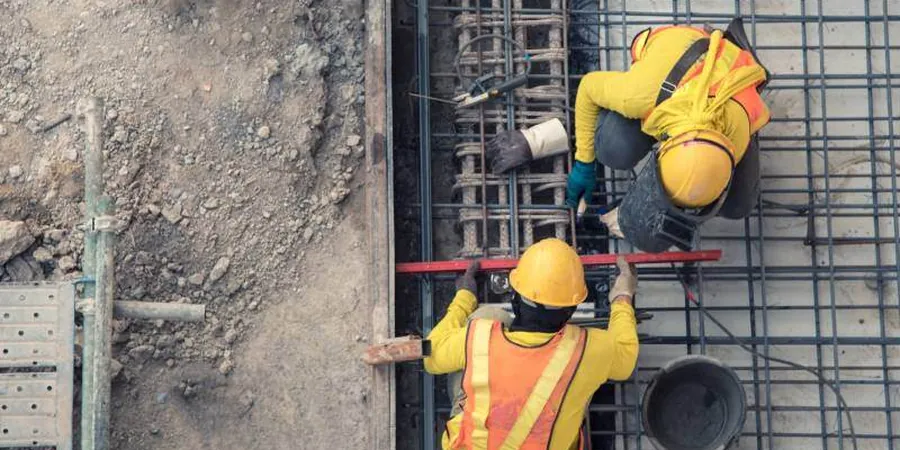
A soil mechanics study in Henderson Nevada is the bedrock of safe foundation design, especially where variable alluvial deposits and shallow groundwater meet urban development.
Scope of work in Henderson Nevada
Critical ground factors in Henderson Nevada
Compare the Green Valley area with the foothills near Anthem — in Green Valley, you find relatively uniform alluvial sands that compact well under footings. But up in the steeper terrain, colluvial deposits and buried boulders create erratic conditions. A soil mechanics study in Henderson Nevada must account for these lateral variations. If you assume uniform conditions across a large lot, you risk differential settlement that cracks slabs and walls. We've seen houses on the eastern side of Henderson where the bearing layer dropped from 4 ft to 12 ft within the same building footprint. That's exactly why we space borings at IBC-recommended intervals and correlate them with capacidad de carga calculations specific to each soil stratum.
Our services
We tailor our soil mechanics study in Henderson Nevada to match the project phase and budget. Here are two common service packages we provide:
Standard Subsurface Investigation
Includes 2 to 4 borings to 30 ft depth, SPT at 5 ft intervals, lab classification (Atterberg, sieve, moisture), and a foundation recommendation report with allowable bearing capacity and settlement estimates. Covers the IBC minimum for most residential and light commercial projects.
Advanced Geotechnical Analysis
Adds undisturbed tube sampling, triaxial compression tests (ASTM D2850), consolidation testing (ASTM D2435), and site-specific seismic site class per ASCE 7. Ideal for multi-story buildings, retaining walls, or projects near floodplains where shallow groundwater is a concern.
Frequently asked questions
How deep do borings go for a soil mechanics study in Henderson Nevada?
For typical residential and light commercial projects, we drill to a depth of 30 ft or until we reach a dense bearing layer with SPT N-values above 50. For larger structures or retaining walls, we extend borings to 50 ft or more to evaluate deeper strata.
What is the typical cost range for a soil mechanics study in Henderson Nevada?
The cost generally falls between US$2.700 and US$5.100 depending on the number of borings, depth of investigation, and lab testing required. A standard 3-boring investigation with basic classification runs around the lower end, while a deep investigation with triaxial and consolidation tests approaches the higher end.
Do I need a soil mechanics study for a single-family home in Henderson?
Yes, most lenders and building departments require it. The variable alluvial soils and potential for differential settlement make a proper study essential. We follow IBC Chapter 18 guidelines to provide a foundation recommendation that meets code and protects your investment.
How long does it take to complete a soil mechanics study?
Field drilling takes one to two days for a typical residential lot. Lab testing and report preparation add another one to two weeks. We can expedite the process for time-sensitive projects by coordinating closely with the lab and prioritizing your samples.